Moonlit Currents Through the City Maze

Step into the nocturnal rhythm of waterways threaded between warehouses, bridges, and quiet parks. This edition explores night and tidal paddling strategies for exploring inner-city channels, translating tide tables, streetlight reflections, and subtle wind shifts into confident motion. Expect practical navigation habits, safety foresight, and small joys—like the hush under arches—so you can glide efficiently, respectfully, and alertly while the skyline hums and the water breathes.

Reading Urban Tides and Hidden Flows

City channels disguise river surges, harbor tides, lock releases, and stormwater pulses beneath appealing reflections. Learn to interpret gauge trends, astronomical predictions, and municipal schedules together, so your plan respects both natural cycles and engineered triggers, keeping you aligned with slack windows, manageable currents, and safe exits.

Navigation After Dark

Night water rewards patience and disciplined perception. Protect your eyes, manage reflections, and build mental maps that connect bridge numbers, graffiti, and skyline silhouettes with buoy sequences. With small, deliberate moves, you’ll reduce surprises, share space predictably, and keep your craft exactly where you intend.
Give your eyes time to adapt by dimming screens, shielding lights, and using red or warm amber modes. Look slightly off-target to engage peripheral rods, sweeping for motion instead of details. When you glance at maps, cover one eye to preserve sensitivity and depth cues.
Mount a low-lumen, wide, downward flood for deck tasks, a dim forward glow for hull presence, and a bright but covered handheld for rare identification moments. Avoid mirror-like glare on water. Angle beams away from residences and wildlife, signaling courtesy and protecting your night focus.
Listen for slap patterns under arches, diesel pulses from tugs, and bicycle rattles on nearby paths. Pair sounds with reflection widths to estimate distance and alignment. Triangulate between a lit stair, a buoy flash, and a skyline notch to maintain a steady, predictable heading.

Safety in Concrete Canyons

Urban waters carry unique risks: strainer fences, hidden rebar, unsecured barges, nightlife distractions, and sudden infrastructure activity. Build redundancy, paddle with partners, and choose conservative lines. A calm, practiced response to surprises keeps small mishaps from snowballing while preserving the serenity that drew you out.

Obstacles You Won’t See Until Too Late
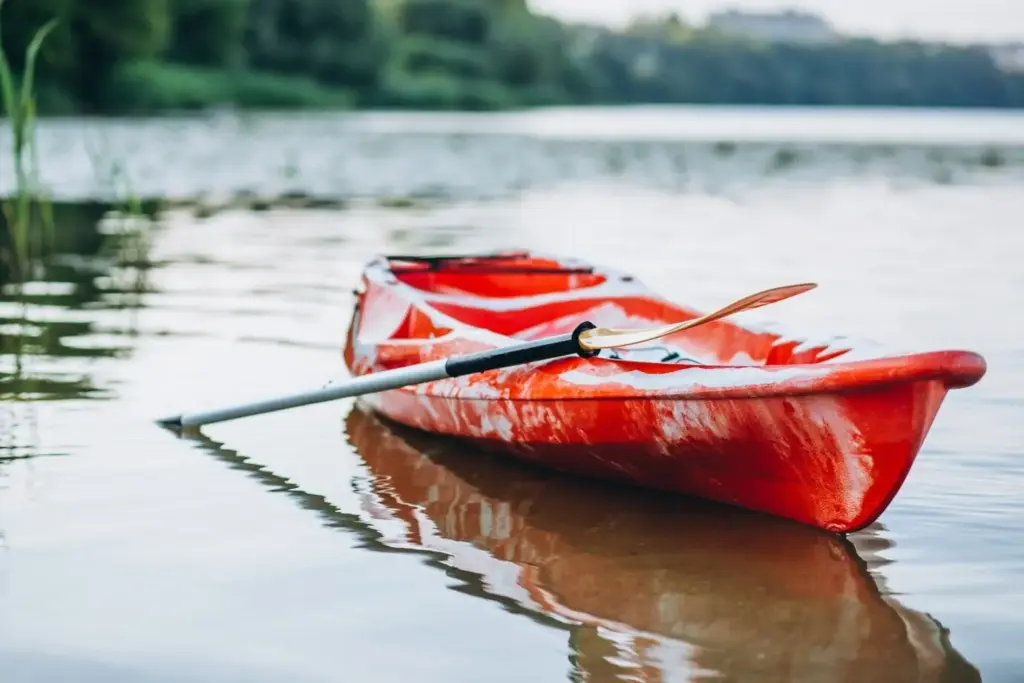
At night, ropes, low wires, and floating pallets can blend into reflections until they brush your bow. Keep short speed bursts and a ready backstroke, scanning with oblique light. When in doubt, approach parallel, tapping with a paddle blade before crossing or committing.

Social Awareness and Discreet Protocols

Respect late-night anglers, security staff, and residents by giving wide berth and low noise. If approached, keep hands visible, speak clearly, and offer your plan succinctly. Share float plans with a trusted contact, and use location sharing to avoid unnecessary searches or alarms.

Timing Your Glide

Good timing turns effort into effortless travel. By pairing tidal predictions with transit schedules, event calendars, and construction notices, you’ll choose windows that minimize conflict and maximize flow. Plan generous buffers, honor slack, and reassess often, because cities, like water, constantly change.

Quiet Technique and Urban Ecology

The calm, efficient stroke conserves energy and calms the waterfront. Residents sleep, herons hunt, and sound bounces between walls. By smoothing entries, softening exits, and trimming wake, you’ll move efficiently while honoring neighbors—human and wild—who share the same nocturnal corridors.

01

The Silent Stroke That Still Moves You

Feather blades over the surface, enter close to the toes, and ease power mid-stroke to reduce slap. Keep cadence steady with light torso rotation. On SUP, soften foot pressure changes to prevent board chatter that echoes into apartments and startles resting birds.

02

Respecting Wildlife in Hard-Edged Habitats

Under sodium lights, nests and roosts can appear closer than they are. Give birds extra space, detour around floating nurseries, and reduce light spill when you hear anxious calls. Your patience turns the channel into shared habitat rather than a corridor of disturbance.

03

Leave-Nothing Rhythms for Trash and Wake

Use eddy lines to collect stray plastic without drifting into hazards, stashing finds in a mesh bag. Trim speed near houseboats and docks to avoid slamming wakes. The habit builds goodwill, protects fragile edges, and keeps your conscience as light as your bow.

Gear That Works When the Skyline Glows
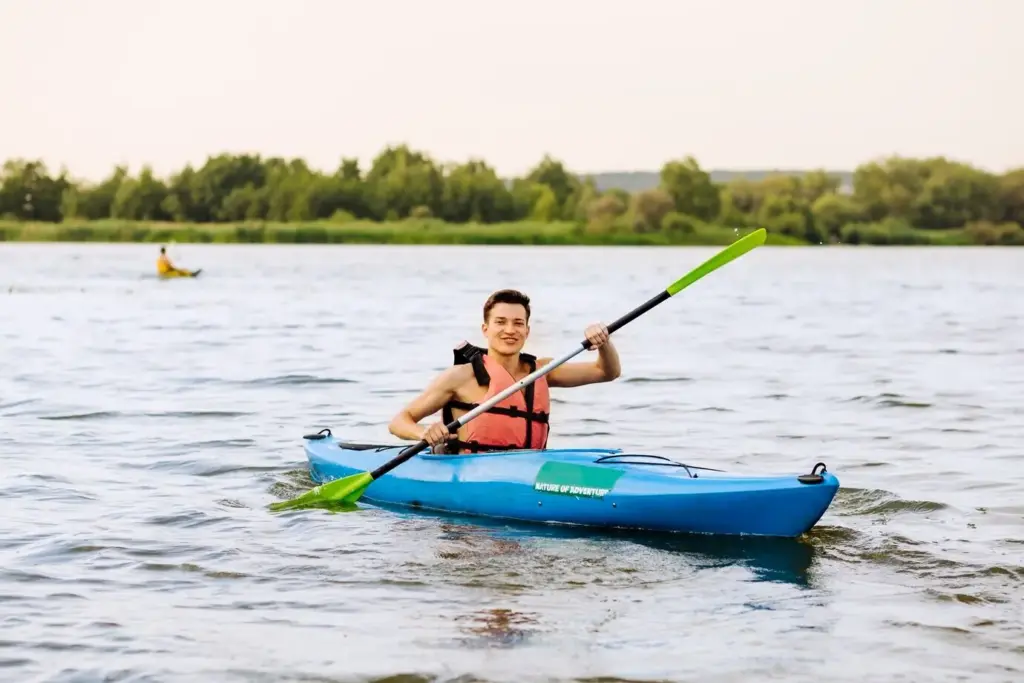
Select equipment that blends reliability, visibility, and subtlety. Low-profile PFDs, spare paddles, discreet lights, and waterproof comms keep you safe without shouting across the river. Layer clothing for damp breezes and radiant heat from pavement, staying comfortable when the night swings between chill and warmth.

Stories from the Waterline

Real nights teach what diagrams cannot. We share a composite journey through narrow channels, echoing arches, and moon-flecked ripples, revealing small decisions that matter. Listen for the subtle shift when current slackens, the smile when fear softens, and the gratitude at takeout.
Furafupapuzamumo
Privacy Overview

This website uses cookies so that we can provide you with the best user experience possible. Cookie information is stored in your browser and performs functions such as recognising you when you return to our website and helping our team to understand which sections of the website you find most interesting and useful.