
Into the City’s Quiet Waters: Finding Entrances, Carry Paths, and Rules That Keep You Moving
Today we are exploring access points, portages, and the legalities for navigating city backwaters, guiding you from discovering legitimate put-ins to carrying around obstacles and staying within public rights. Expect practical navigation tips, safety insights, and real-world anecdotes that make murky regulations understandable. Bring your curiosity, your map, and your respect for local rules, and leave ready to paddle smarter, safer, and with confidence through forgotten channels and overlooked blueways woven through the urban landscape.
Scouting Legitimate Access Points in Concrete Jungles
Finding a lawful place to put in is half the journey. Look for public launches in parks, designated shoreline easements, shared-use docks, and clear signage that welcomes human-powered craft. Investigate tidal stairs, canal ladders, and low-key embankments officially permitted for hand launches. Cross-check municipal regulations, hours, and seasonal closures. When unsure, confirm with parks departments, harbor masters, or local paddling clubs that maintain crowdsourced maps. Your goal is a quiet, lawful start that respects neighborhoods and reduces conflict from the very first stroke.
Reading the Shoreline Like a Local
Access often hides in plain sight. Interpret railings, bollards, and stairs for telltale public features, and watch for wayfinding signs, launch icons, and surface textures designed for traction. Notice trash cans, lighting, and benches that suggest public use rather than private frontage. Compare satellite imagery with street-level views to verify paths between parking and water. If you see fences, cameras, or private mooring plaques, move on. Respectful scouting saves awkward conversations and converts curious bystanders into allies instead of gatekeepers.
Mining Public Datasets and Community Maps
City open-data portals, state boating guides, and paddling club spreadsheets often list verified access points, with notes on water depth, bank slope, and seasonal hazards. Layer these resources with USGS gauges, NOAA tide predictions, and OpenStreetMap tags for ramps or steps. Reach out in forums for recent conditions, construction impacts, or closures near bridges and culverts. Bookmark emergency egress spots too, not just launch sites. A well-researched route empowers you to improvise calmly when conditions change and plan alternatives without trespassing.
Timing Your Arrival for Favorable Conditions
Even the perfect access loses charm during peak traffic, low tides, or after heavy rain when stormwater surges through outfalls. Arrive at slack water or off-peak commuting hours, and watch for scheduled lock operations or drawbridge openings that constrict channels. In colder months, use insulated footwear for slippery steps. In summer, share space with anglers and maintain quiet courtesy near residences. Thoughtful timing transforms marginal put-ins into effortless departures and builds goodwill with the people who live and work along the banks.
Portages Without the Headache: Moving Around Obstacles Smoothly
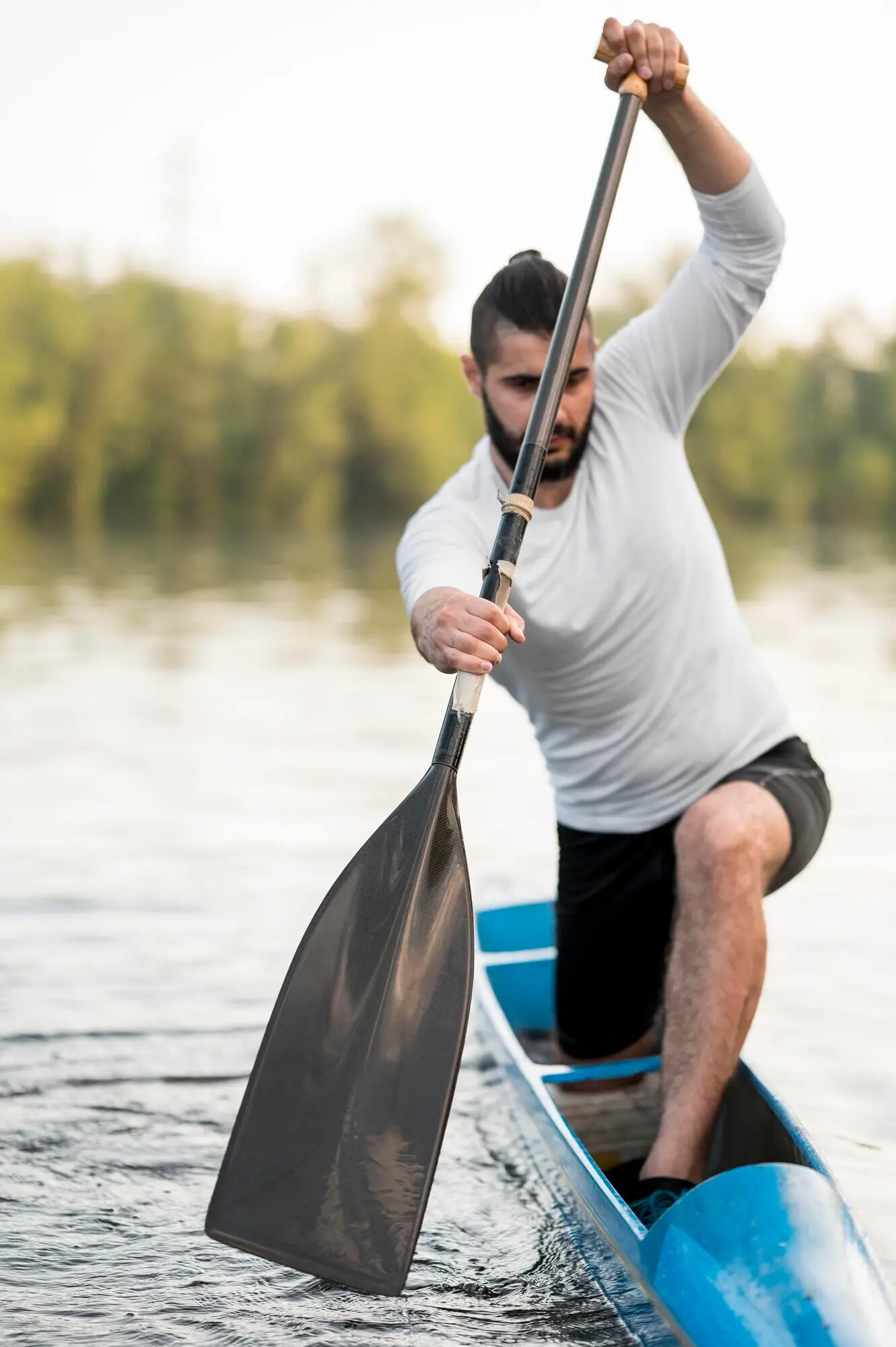
In dense cities, dams, low weirs, trash booms, and low-clearance bridges can interrupt flow. Smart portages blend preparation and etiquette. Identify carry paths in advance, confirm legal rights-of-way, and carry straps to keep hands free on narrow stairs. Pack light to reduce trips and keep the bank uncluttered. Signal intentions to anglers and pedestrians, then step aside when needed. Treat every carry as choreography where safety beats speed. A clean, calm portage keeps everyone relaxed and lets the water welcome you back moments later.
Dams, Weirs, and Spillways Up Close
Approach engineered drops with respect. Scout from shore to read recirculating hydraulics and slick apron flows. Most structures have posted exclusion zones; give them extra distance in high water. If a portage route is signed, follow it even when a shortcut tempts. Avoid walking on algae-coated slabs or rebar-studded retaining walls. Where the carry is long, stage your gear into two compact bundles. The time you invest in safe decisions at the lip of a weir pays back downstream with steady confidence.
Threading Urban Obstacles Gracefully
City backwaters can surprise you with booms, floating debris, and low pipes. Before committing, pause in an eddy, assess safe exits, and decide whether to ferry across or step ashore. Communicate clearly with your group using simple hand signals and confirm who goes first. When portaging along busy sidewalks, keep paddles parallel to avoid clipping passersby. If security or maintenance crews appear, explain your route calmly and show your map. Courtesy reduces friction, protects your access, and often earns helpful local tips.
Gear That Makes Carries Easier
A compact cart with puncture-resistant tires turns a brutal haul into a stroll, especially over cracked concrete or cobblestones. Padded shoulder straps keep your hands free on steep stairs, while painter lines let you stabilize the bow without grabbing slippery hulls. Pack a minimalist drybag for essentials and leave bulky extras in the car. Non-marking footwear and grippy gloves improve footing on mossy stones. Simple, reliable gear choices multiply your endurance and make repeated portages an accepted rhythm rather than a dreaded interruption.

Safety and Etiquette When Space Is Narrow and Echoes Carry
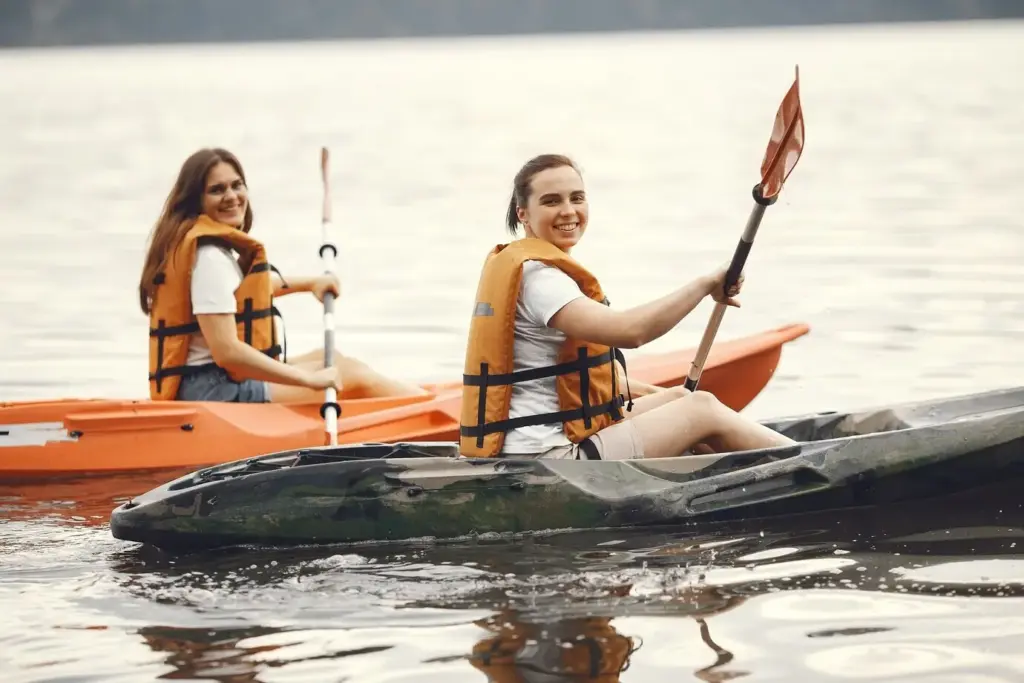
Backwaters amplify mistakes. Sound reflects under bridges, winds funnel through corridors, and sudden wakes slam into vertical walls. Wear visible colors and reliable PFDs, add a whistle, and mount a light for dim tunnels. Keep your profile predictable by hugging the right side where customary, yielding to larger craft, and announcing overtakes early. Thank anglers for sharing space, ask permission before drifting near boats, and avoid loud music near residences. Good manners protect everyone and quietly advocate for continued access without a single argument.

Routes, Missteps, and Lessons From Real Backwaters
{{SECTION_SUBTITLE}}

A Canal Morning That Started With Doubt
We arrived early, parking two blocks away to avoid disturbing residents. Satellite images hinted at steps, but fencing looked ambiguous. A jogger confirmed the stairs were public, and a city sign sealed it. We launched quietly, waved to anglers, and later returned the favor by hauling a floating crate to recycling. That small courtesy turned nervous glances into smiles, and the route now feels like a shared secret rather than contested space, all because we asked, listened, and moved with gentle confidence.
Learning the Hard Way Near a Low Bridge
We underestimated the outgoing tide, finding a scouring current funneling toward a low span. Instead of forcing it, we ferried to a brick landing, carried around safely, and re-entered below. A maintenance worker nodded approval, noting signs we had missed. The delay cost fifteen minutes, saved our hulls, and earned goodwill that mattered more than speed. That day reinforced our mantra: if your gut hesitates, step out, breathe, and treat the portage as part of the journey, not an embarrassing detour.
Planning Tools, Checklists, and a Community That Has Your Back
Good preparation multiplies freedom. Build a pre-trip routine that covers access verification, legal checks, weather, tides, and backup exits. Save permits offline, charge lights, pack reflective tape, and mark emergency contacts inside your hull. Share float plans with a friend and agree on go/no-go criteria. Keep a running list of respectful launch etiquette for dense neighborhoods. Finally, connect with local clubs and stewardship groups. Their notes, cleanups, and quiet advocacy protect fragile access points and keep city officials seeing paddlers as partners, not problems.
A Reliable Pre-Trip Checklist
Confirm your launch is public and open, identify at least two emergency exits, and verify tide or flow timing. Pack PFDs, lights, whistle, and spare layers. Carry a compact throw rope, first aid kit, and laminated maps for quick consultation. Screenshot permits and relevant emails. Establish group signals beforehand. Decide how you will respond to a closed gate, a low bridge, or a patrol’s questions. A clear plan turns unknowns into manageable decisions and earns trust from the people who share your shoreline.
Navigation and Communication Essentials
Use a waterproof phone case, offline maps, and a backup battery. Pair a small deck compass with simple waypoints for tunnels where GPS drifts. A bright headlamp and reflective tape help crews see you. Set radio channels if local rules allow, or agree on whistle codes. Keep municipal emergency numbers handy. Technology supports judgment; it never replaces it. With clear communication and layered navigation, even winding culverts and echoing bascule bridges feel navigable, replacing doubt with calm focus and well-practiced teamwork in tight, urban quarters.
Share Insights, Subscribe, and Keep the Loop Alive
Post verified access updates, respectful photos of portage paths, and notes on temporary closures so others can avoid guesswork. Comment with sources, not rumors. Invite readers to subscribe for monthly route spotlights, safety reminders, and policy changes affecting hand launches. Ask questions in return: Which city signs confuse you? Where have you found welcoming staircases? Your replies shape future guides, strengthen local stewardship, and make the larger paddling community wiser. Together, we keep backwaters open by being accurate, courteous, and relentlessly helpful.