Paddles, Data, and Debris: City Waterways Reimagined

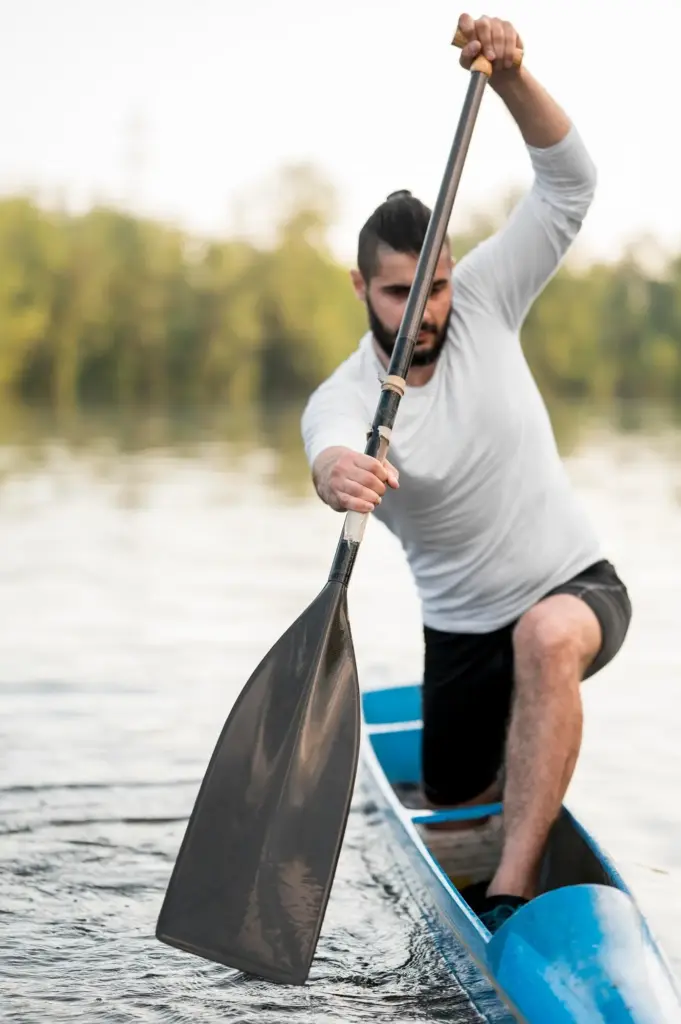
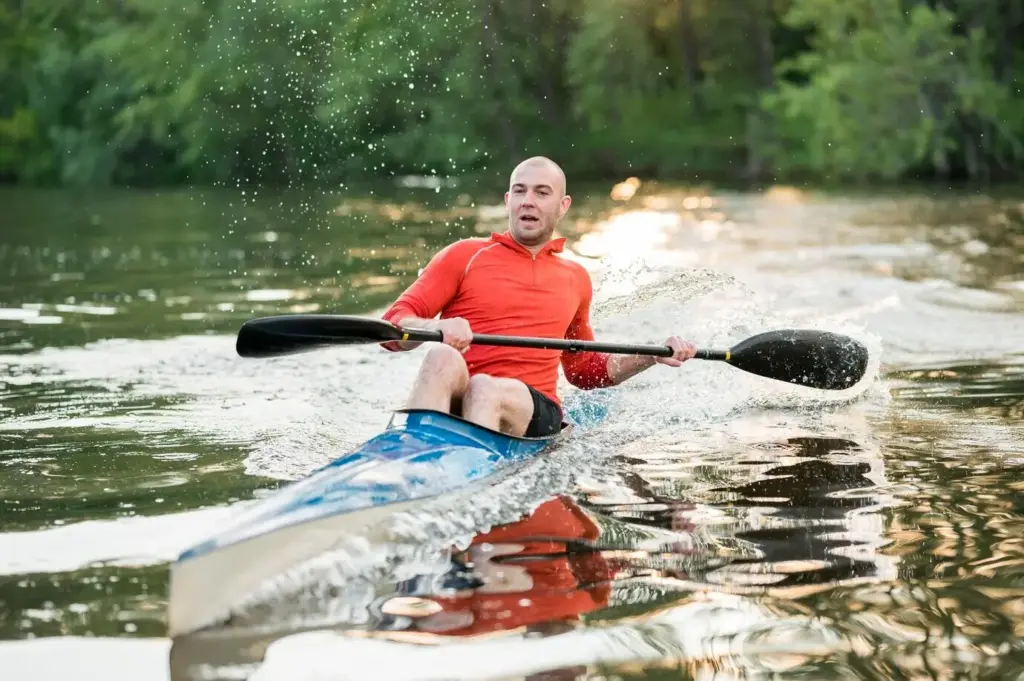
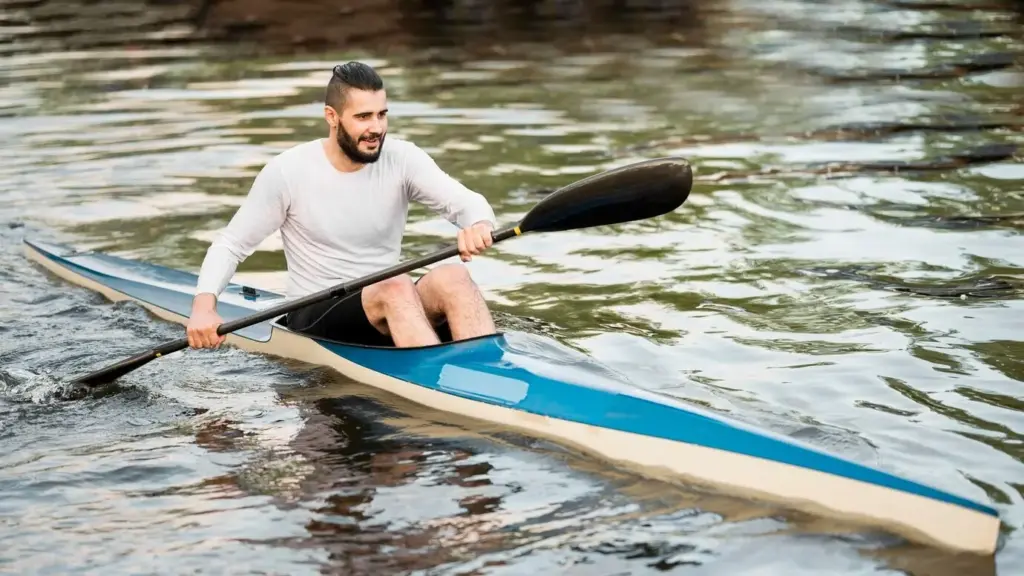
Today we spotlight citizen science and cleanup missions led by urban paddlers who quietly transform canals, rivers, and harbors with every stroke. From recording water quality and mapping trash hotspots to hauling out tires, their shared curiosity and grit deliver measurable results, community pride, and healthier ecosystems. Step into their boats through stories, practical guides, and inviting calls to action that make caring for your local water both adventurous and profoundly effective.

Why Paddlers Make Exceptional Waterway Stewards

Gathering Credible Data from a Moving Kayak

Reliable citizen science begins with simple, repeatable routines: note location, capture a photo, log conditions, then tag observations using shared categories. Even with paddles dripping, these small steps build robust datasets. Standard fields, calibration moments, and respectful privacy practices ensure your contributions blend smoothly with academic and municipal monitoring.

Hotspot mapping that guides decisions

By geotagging every bag, tire, and bottle, patterns emerge that point to storm drains, parking lots, and popular hangouts. Visuals persuade faster than speeches. When officials see recurring clusters, overtime crews, receptacle placement, and enforcement priorities shift, proving that your paddles can steer budgets and expectations toward lasting improvements.

Upstream conversations with proof

It is easier to ask a shop owner to secure dumpsters when you show a time-stamped photo trail and a map of windblown labels. Data softens defensiveness. People recognize their power to help, especially when invited to co-design simple fixes and share credit for cleaner shorelines.

Safety, Inclusivity, and Access on Urban Water

City waterways can surprise paddlers with wakes, weather, and industrial activity. Preparation turns risk into confidence. Offer clear float plans, buddy norms, and weather cutoffs; budget for adaptive gear and scholarships; and collaborate with community leaders so everyone, regardless of experience or income, can paddle safely and proudly contribute.
Briefings work when they are concise, visual, and kind. Use river sketches, tide tables, and hand signals; assign roles like sweep, navigator, and first-aid lead; and rehearse flips calmly. Participants leave feeling cared for, not scared, and they return eager to invite friends who share the shoreline.
Representation matters. Partner with neighborhood groups, provide culturally aware instruction, and translate materials. Sliding-scale dues and loaner fleets remove barriers, while mentorship circles grow confidence. When participants see themselves in leadership and photos, programs stop feeling exclusive and start reflecting the city’s real energy, resilience, and creativity on water.
Securing safe launch points, dry storage, and affordable boats determines who participates. Map public ramps, negotiate shared space with marinas, and explore folding or modular craft. Offer maintenance workshops and winterizing days so equipment lasts. Access logistics sound dull, yet they quietly decide the scale of your success.

From Raw Observations to Policy Influence

Clean datasets tell compelling stories

Before any meeting, scrub duplicates, standardize categories, and highlight uncertainties. Then translate numbers into relatable anchors: bags equaling car trunks, lengths of nets, or hours saved for crews. Simple graphics with concise captions respect attention and make your work memorable long after slides close and handshakes end.

Turning visuals into action

Map layers, timelapse clips, and annotated drone overviews spark curiosity. Pair each visual with a clear ask, a proposed timeline, and a named contact who will follow up. Treat meetings as collaborative workshops, and watch decisions accelerate because preparation made the next step obvious, affordable, and supported by partners.

Coalitions amplify every stroke

When paddlers collaborate with anglers, birders, students, and waterfront workers, credibility and coverage expand. Share credit openly, rotate meeting locations, and invite skeptics into the boat. Diverse voices surface blind spots and ignite creativity, turning scattered efforts into a recognizable civic force that policymakers welcome and media amplify.

Stories from the Water: Small Wins, Big Ripples

Progress often arrives as humble moments: a child’s cheer as a heron lands on a newly cleared piling, a marina manager scheduling extra bins after seeing your map, or the first algae reading that hints at recovery. These stories keep volunteers motivated while inviting newcomers to join the flow.

Join the Current: How You Can Paddle In

Curiosity and care are the only prerequisites. Start close to home, learn local tides and rules, and connect with groups already tracking conditions and cleaning shorelines. We provide checklists, training dates, and sign-up links so your first outing supports citizen science and cleanup missions led by urban paddlers everywhere.
Furafupapuzamumo
Privacy Overview

This website uses cookies so that we can provide you with the best user experience possible. Cookie information is stored in your browser and performs functions such as recognising you when you return to our website and helping our team to understand which sections of the website you find most interesting and useful.