
Canoe Eye-Level: Meeting Wild Neighbors Between Piers and Pilings
Slip a canoe into a city waterway and the shorelines come alive. This issue dives into urban wildlife encounters and ecology from the cockpit of a canoe, blending practical field tips, story-rich observations, and science-backed insights to help you paddle respectfully, notice more, and belong to these shared habitats. Share your sightings and questions, and subscribe for future paddles.
Tides, Currents, and Concrete: Understanding the Urban River’s Pulse
Reading Surfaces for Hidden Life
From a canoe, a faint V-wake near a wall might signal a cruising mullet, while a cluster of dimples reveals midges drawing fish to the top. Learn to pair ripple textures with sound and smell cues, spotting feeding opportunities and safe resting pockets that larger predators, and watchful birds, reliably exploit along concrete edges.
Where Fresh Meets Salt
Under bridges where brackish water fingers upstream, salinity shifts arrange micro-habitats within a paddle length. Expect jellyfish drifts beside juvenile perch, barnacle zones below eelgrass roots, and sudden clarity changes that betray groundwater seeps. Mark these seams, return with different tides, and compare who appears when the city’s watery borders temporarily redraw themselves.
Timing Your Launch with Light and Tidal Windows
Crepuscular light softens silhouettes and invites wary wildlife closer to embankments, while a falling tide concentrates forage into narrowing channels. Pair sunrise or dusk with slack-before-ebb, and you’ll glide near feeding birds and cruising mammals without crowding them, capturing observations that midday boat noise, harsh glare, and high water would otherwise erase.
Stealth Paddling for Close Encounters
Precision strokes and patience create encounters that feel like gifts rather than intrusions. By paddling parallel to shore at a respectful distance, using draw strokes to slide sideways, and letting current carry you past, you reduce disturbance, extend viewing time, and build a reliable practice that keeps both you and your wild neighbors calm.
Silent Approaches and Boat Control
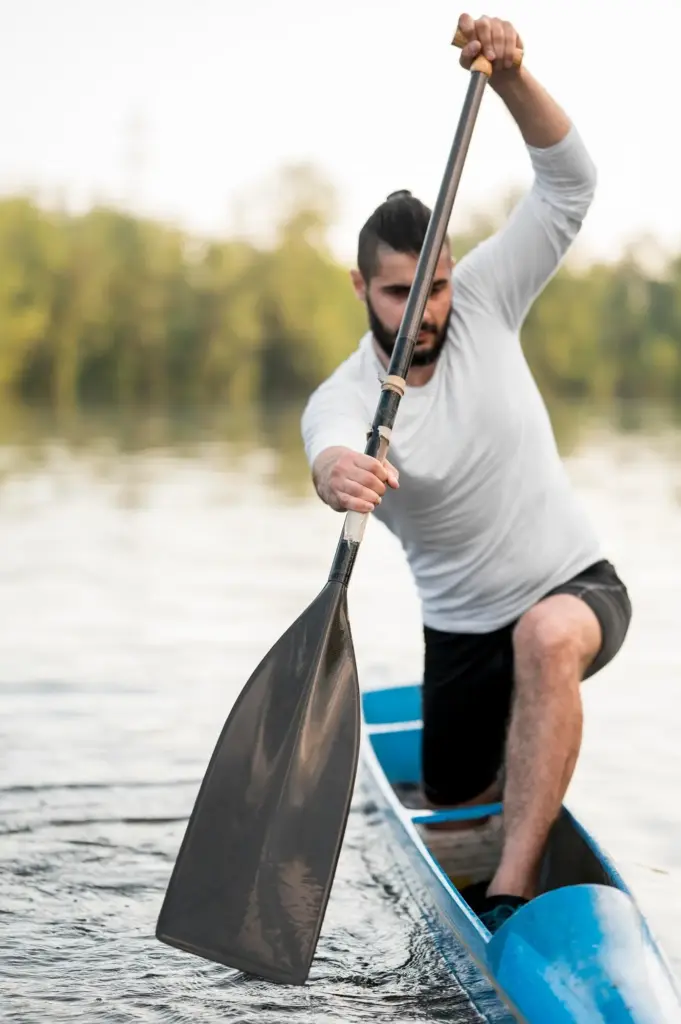
Feather your paddle just under the surface to muzzle drips, keep blades flat to minimize flash, and pause mid-glide when the animal’s posture stiffens. Subtle edging, a quiet stern draw, and trimming your weight forward or aft enable small, decisive corrections that preserve line, protect nests, and maintain trust across repeated visits.
Wind, Noise, and Scent in a Cityscape
Skyscraper canyons funnel gusts that carry voices, diesel, and even your lunch, warning sensitive animals before you arrive. Work upwind when observing, mask vibrations by syncing strokes with passing traffic, and avoid colognes. These micro-adjustments complement camouflage clothing and muted gear, making your canoe feel like another harmless driftwood log in complex soundscapes.
Respectful Distance and Body Language
Every shoreline resident communicates thresholds: a heron lengthens its neck, a muskrat pauses chewing, a tern changes calls. Treat these as boundaries. Drift away before alarm escalates, swap binoculars for cameras if needed, and celebrate brief glimpses over forced proximity. Encounters earned through restraint become more frequent, intimate, and safe over seasons.
Neighbors on the Water: Species You’re Likely to Meet
From pilings stained with cormorant prints to reed beds buzzing with dragonflies, the city hosts surprising biodiversity visible at waterline height. Expect adaptable specialists and resilient generalists, each exploiting niches carved by bridges, marinas, storm outfalls, and floating debris. Observing repeatedly from a canoe reveals patterns pedestrians and cyclists simply never notice.
Food Webs under Streetlights
From Storm Drains to Plankton Blooms
After rain, monitor turbidity and smell for earthy geosmin. Murky plumes may spark short-lived phytoplankton surges, attracting zooplankton, then anchovy schools, then predators. Track lag times with a simple notebook. Over months, you’ll predict bloom cascades and identify outfalls whose chronic loads demand letters, meetings, and policy attention.
Predators Patrolling Bridge Shadows
At night, light-dark edges concentrate prey fleeing the glare. Cast your gaze along shadow tongues where stripers, squid, or night-herons rush ambushes. Keep bow lights dim, eyes adapted, and notes detailed. These patterns, repeated tide after tide, explain surprising congregations beneath seemingly ordinary, overlooked pieces of infrastructure.
Plastic, Toxins, and What You Can Do
Microplastics ride slicks that also carry insect exuviae and seeds. Skim samples with a fine net, log counts alongside wildlife activity, and share results with watershed groups. Pair observations with small acts: pack-out micro-trash, choose reef-safe sunscreens, and favor refillable containers that reduce nutrient and plastic inputs together.
Safety, Ethics, and Shared Waterways
Urban waterways are working corridors with barges, anglers, rowers, and birds all claiming space. Planning, signaling, and courtesy protect everyone. Equip bright lights, reflective tape, and a whistle; file a float plan; and practice capsizes. Ethical choices—quiet landings, clean hulls, patient detours—earn goodwill and keep habitats functioning for generations.

From Paddle to Notebook: Citizen Science and Community
Notes, photos, and water readings collected from a canoe can meaningfully extend university and nonprofit datasets. By following simple protocols and submitting through accessible apps, your quiet hours afloat become evidence that guides habitat restorations, informs policy, and sparks conversations that welcome more observers into the waterline community.